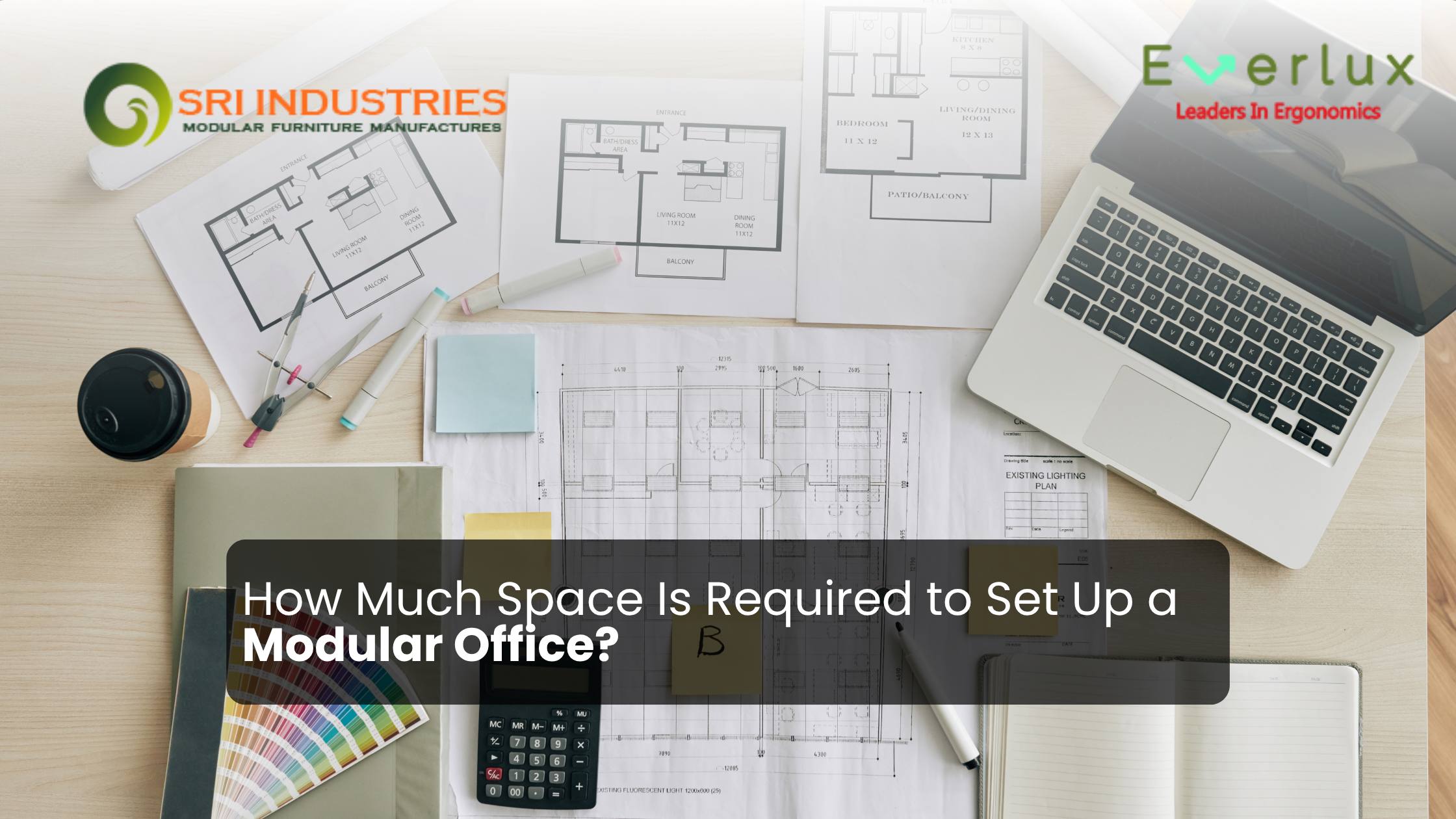
One of the first questions any business has when designing a new workspace is “How much space do I need to build a modular office?” The answer to that question depends on a number of factors, including the number of employees, the type of work being done, the preferred office layout, and future expansion plans.
Modular offices are designed to be space efficient, as well as flexible and functional. Modular designs give organizations the flexibility to change their workspace as their business evolves, unlike conventional offices. But even the best-designed one needs careful planning to make sure that the available area is used efficiently. By understanding the amount of space they need before implementation, businesses can avoid overcrowding, increase employee comfort and create an effective work environment.
Understanding the Purpose of a Modular Office
Knowing the purpose of modular office is important to be able to calculate space requirements. These workplaces are supposed to be structured and flexible at the same time. Workstations, partitions, collaborative zones and support areas are strategically located to maximize the use of the available floor space.
The aim is not simply to cram more people into a space. It’s not about creating a comfortable place for people to work, it’s about creating a comfortable place for people to work, but still be able to move around the office efficiently and communicate.” A modular office is a well-designed, functional, accessible and aesthetic space that makes use of every square foot with a meaningful purpose.
Factors That Influence Space Requirements
No two offices are exactly alike. Several factors determine how much space will be needed for a modular office setup.
Number of Employees
The workforce size is the most important consideration. A small team may require only a compact arrangement, while larger organizations need additional space for seating, circulation, and support functions. Businesses should also account for future hiring plans. Designing only for current requirements may create limitations as the company grows.
Nature of Work
Different industries have different workspace needs. Teams that frequently collaborate may require larger shared areas, while employees performing focused tasks may benefit from layouts that provide more privacy. The daily workflow of the organization should influence how space is allocated across the office.
Department Structure
Organizations with multiple departments often require separate zones to support their operations. Sales teams, administrative staff, managers, and support departments may each need different workspace configurations. Proper planning helps maintain organization while supporting efficient communication between teams.
How Much Space Should Be Allocated Per Employee?
While exact requirements vary, office planners generally focus on providing sufficient room for seating, movement, and day-to-day activities.
Each employee requires space for:
- A workstation
- Chair movement
- Access to common pathways
- Storage requirements
- Comfortable interaction with nearby colleagues
Providing adequate room allows employees to work efficiently without feeling restricted. A cramped environment can affect concentration, collaboration, and overall workplace satisfaction.
Rather than focusing solely on maximizing seating capacity, businesses should prioritize creating a balanced and comfortable environment.
The Importance of Circulation Space
One of the most overlooked aspects of office planning is circulation space. Even if workstations fit within the available area, employees still need room to move throughout the workplace.
Walkways should connect various parts of the office while allowing easy access to meeting rooms, common areas, and exits. Poorly planned circulation can create bottlenecks and disrupt workflow.A modular office functions best when employees can move naturally without obstacles or unnecessary congestion.
Planning for Shared Spaces
Modern workplaces require more than individual workstations. Shared spaces play an important role in supporting communication, teamwork, and day-to-day operations.
Some commonly required areas include:
Meeting Rooms
Formal discussions, client interactions, and team meetings require dedicated spaces that provide privacy and functionality.
Collaboration Zones
Informal discussions often generate ideas and improve teamwork. Designated collaborative areas support interaction without disrupting focused work.
Break Areas
Employees benefit from having separate spaces for breaks and informal conversations. These areas contribute to workplace comfort and employee well-being. When calculating office space requirements, these shared zones should be included from the beginning rather than treated as an afterthought.
Making the Most of Available Space
Efficient space utilization is one of the key advantages of modular office design. A thoughtful layout can significantly improve functionality without requiring a larger office footprint.Businesses often consult experienced modular workstation manufacturers in chennai to develop workspace solutions that optimize floor area while maintaining comfort and accessibility.
By organizing workstations strategically and reducing wasted space, companies can create an environment that supports productivity and adaptability.The goal is not to use every available inch but to ensure that every area contributes to the overall effectiveness of the workplace.
Conclusion
Determining how much space is needed for a modular office involves more than measuring floor dimensions. Businesses must evaluate employee capacity, workflow requirements, circulation areas, shared spaces, and future growth plans before finalizing a layout.A carefully planned modular office creates a productive environment while ensuring flexibility for future changes. By assessing space requirements strategically and working with experienced partners such as Sri Industries, organizations can develop efficient workplace solutions that support both current operations and long-term business goals.